Before the written word, stories lived in movement, voice, and memory. Among the many ways humans safeguarded their traditions, dance was one of the most enduring and powerful. Ancient storytellers often turned to dance not simply as entertainment but as a medium for preserving mythology.
Through rhythm, gesture, and ritualized performance, they embedded mythological narratives into communal memory, ensuring that gods, heroes, and cosmic events remained alive across generations. By studying how dance was woven into ancient storytelling, we gain insight into how societies communicated their deepest values and cosmological visions.
Dance as embodied memory
Oral cultures relied on the body as much as the tongue for remembering and transmitting knowledge. Dance offered a form of embodied memory—stories could be enacted physically through recurring steps, hand gestures, or postures that mirrored mythological events. For communities without literacy, encoding myth in dance allowed performers to keep narratives consistent while still leaving room for variation. The body itself became an archive, carrying myths forward in movements that could be imitated and passed down through apprenticeships or collective rituals.
Ritual dances and sacred performance
In many societies, dance was inseparable from ritual, making it a natural vessel for mythology. Performances often took place in sacred spaces, such as temples, ceremonial grounds, or festival gatherings. For example, in ancient Egypt, dances were integrated into temple rituals honoring gods like Hathor, associated with music, fertility, and joy. These performances dramatized myths of creation and divine protection, reinforcing cosmic order. By embodying the gods’ actions through dance, communities renewed their connection with the mythic world, blurring the line between human performers and divine presence.
Greek choruses and dramatic movement
In ancient Greece, storytelling through dance reached a sophisticated form in the theatrical chorus. Choruses accompanied plays that dramatized myths of gods and heroes, using synchronized movement to express collective emotion or comment on the story. While the words told the tale, the choreography amplified its power, making myths both audible and visible. Greek festivals like the Dionysia combined music, drama, and dance to retell foundational myths, ensuring that audiences experienced mythology not only intellectually but also viscerally through the rhythms of movement.
Dance as a universal language
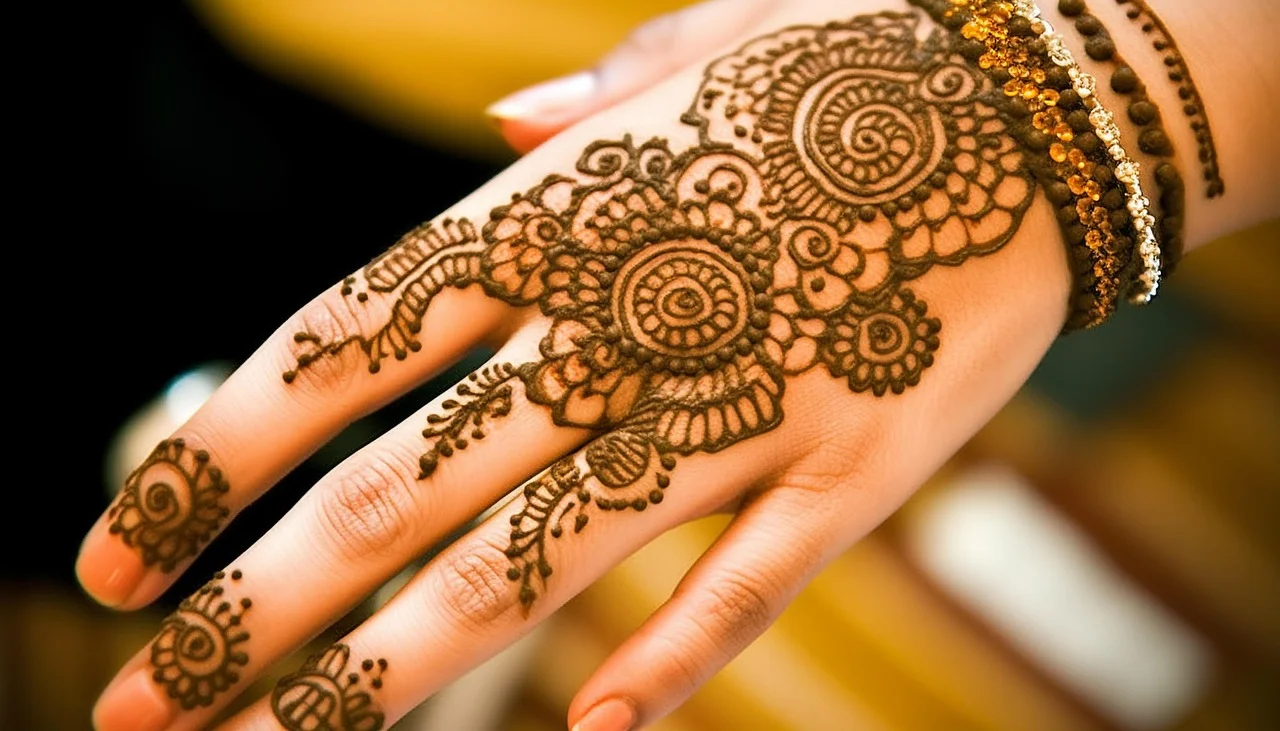
Dance offered a way to communicate mythological meaning beyond the limits of spoken language. Gestures, symbolic poses, and repeated sequences could transcend dialects or linguistic barriers within diverse communities. For instance, in India, classical dances such as Bharatanatyam and Kathak developed codified gestures known as mudras, each carrying symbolic meaning. These hand signs, combined with facial expressions and bodily movements, enacted episodes from the Ramayana or Mahabharata. Even when audiences did not understand every spoken word, the language of the body conveyed mythological truths effectively.
Seasonal and agricultural cycles
In agrarian societies, dance often aligned with seasonal cycles, reflecting myths tied to fertility, harvest, and cosmic renewal. Storytellers embedded these themes in dances performed during planting or harvest festivals. In many Native American traditions, ritual dances reenacted creation stories or mythic hunts, ensuring continuity between the rhythms of the natural world and the sacred narratives explaining them. By linking movement to agricultural cycles, dance kept mythology rooted in the community’s daily survival and relationship with the land.
Transmission across generations
Because dance required participation, it encouraged intergenerational involvement. Elders taught younger members not only the steps but also the mythological context behind them. This apprenticeship ensured that the knowledge encoded in dance survived even when words might change. Unlike recited stories, which could be forgotten, dances imprinted myths on muscle memory. In this way, dance served as a living archive, resilient against the erosion of time.
Dance as a communal experience
Storytelling through dance was rarely a solitary act. Performances often involved entire communities, whether as participants or spectators. In Polynesian traditions, for example, the hula preserved myths of gods, chiefs, and creation. Audiences not only watched but also sang or clapped along, reinforcing communal memory. These participatory elements ensured that mythology was not an abstract tale but a shared cultural experience that united people in collective identity.
The symbolism of movement
Movements in mythological dances were rarely arbitrary. They often carried layered symbolism. A circling step might represent the cycles of time, while leaps could embody journeys between earthly and divine realms. Dancers acting out battles or transformations gave mythological conflicts tangible form, making them easier to grasp and remember. Symbolic gestures provided shorthand for complex narratives, condensing entire episodes into a single expressive motion that could be recognized and repeated across generations.
Dance and transformation of the self
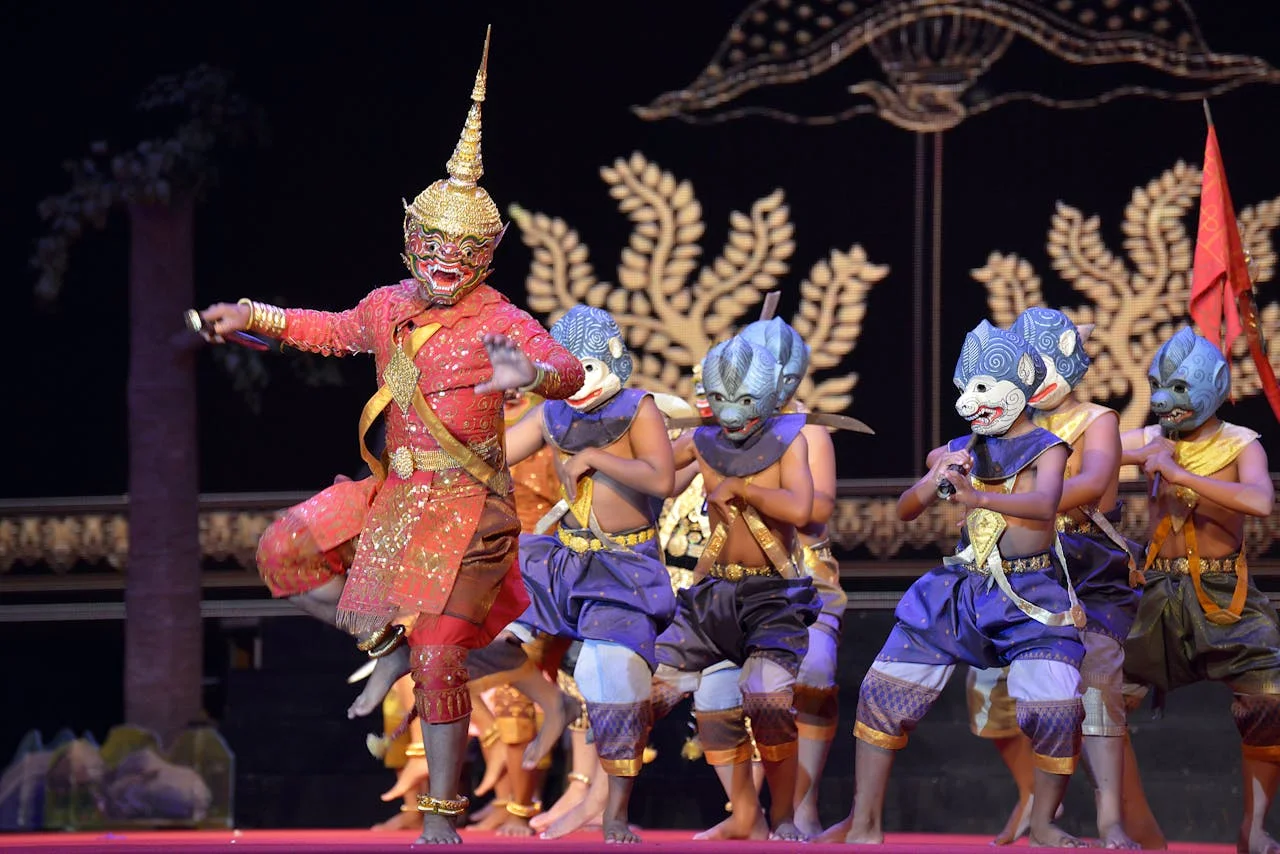
Many traditions saw mythological dance as not only a means of storytelling but also a way for performers to transform themselves. By embodying gods, heroes, or spirits, dancers temporarily assumed mythological roles, bridging the human and divine. This process was particularly evident in shamanic traditions, where dance was used to enter trance states, reenact creation stories, or communicate with the spirit world. Here, mythology was not just retold but re-experienced, turning dance into a form of living myth.
The endurance of myth through dance
The endurance of mythology often depended on its adaptability, and dance provided a flexible medium for that adaptation. Even as languages changed or oral traditions waned, dances could survive as cultural practices with mythological roots. In some cases, the explicit myth faded, but the dance remained, carrying fragments of the original stories in its gestures and rhythms. This persistence demonstrates the resilience of embodied storytelling and the central role of dance in preserving cultural memory.
Movements that echo through time
From Egyptian temple dances to Greek choruses, from Indian classical gestures to Polynesian hula, ancient storytellers used dance to preserve mythology in ways that transcended words. Through embodied memory, ritualized performance, symbolic gestures, and communal participation, dance carried the weight of myth across generations. In moving bodies, myths lived on, reminding societies of their origins, their gods, and their place in the cosmos. Even today, many of these traditions continue, showing that the dance of myth is not confined to the past but still shapes cultural identity in the present.