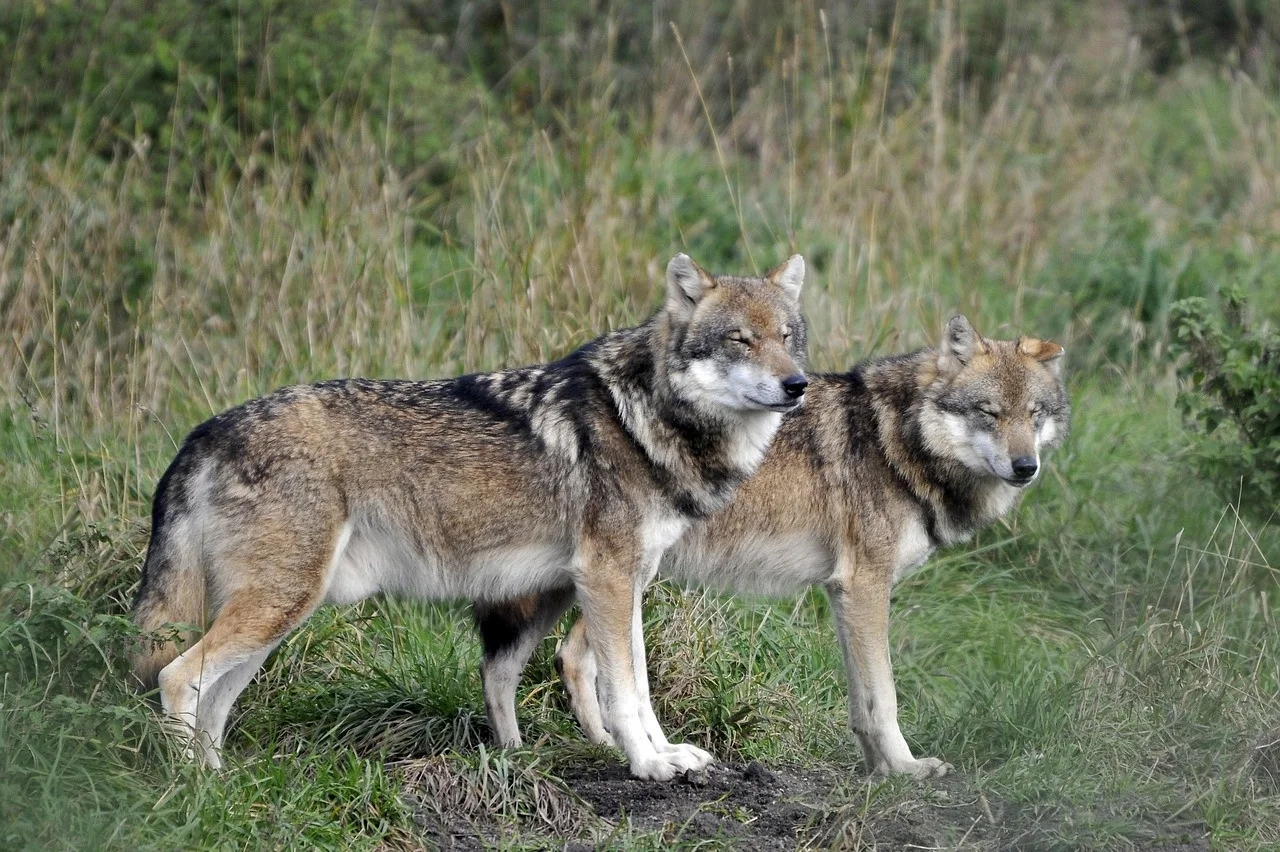
Few animals occupy as prominent a place in the human imagination as the wolf. From the icy forests of Northern Europe to the rugged mountains of Asia and the deserts of the Middle East, wolves appeared frequently in ancient myths, stories, and rituals.
Their dual nature as both predators and social animals made them symbols of danger, loyalty, wilderness, and power. Ancient myths often reflected the complicated relationship between humans and wolves, revealing both admiration and fear. By examining myths from different cultures, one can trace how wolves became enduring figures of identity, morality, and transformation.
Wolves as protectors and nurturers
One of the most famous wolf myths comes from Roman tradition: the she-wolf that nurtured the twins Romulus and Remus. According to legend, the abandoned infants were saved by a wolf who nursed them until they were discovered by a shepherd. This story not only explains the divine origins of Rome but also depicts the wolf as a maternal, protective figure. Far from being a menace, the wolf symbolized the strength, resilience, and wild vitality that Rome wished to claim as part of its identity. Similar nurturing roles for wolves appear in Turkic and Mongolian myths, where wolves are portrayed as ancestral guardians guiding tribes to prosperity.
Wolves as dangerous adversaries
Despite these positive depictions, wolves were also feared as predators threatening human survival. In agrarian societies where livestock was essential, wolves represented a constant danger. Myths reflected this anxiety by casting wolves as enemies or harbingers of destruction. In Norse mythology, the monstrous wolf Fenrir was fated to break free during Ragnarok, the end of the world, and devour the god Odin. The image of the wolf as an uncontrollable, destructive force mirrored the human fear of wild predators beyond civilization’s reach. These darker myths reinforced the perception of wolves as symbols of chaos and mortality.
The duality of wolf symbolism
The coexistence of positive and negative portrayals underscores the dual role wolves played in human culture. They could embody both kinship and threat, depending on context. This duality often reflected the tension between civilization and wilderness: wolves lived in organized packs with strong bonds, resembling human communities, yet they also lurked beyond the safety of villages, embodying untamed nature. This paradoxical symbolism made wolves ideal figures in myths dealing with boundaries between human society and the wild.
Wolves as symbols of transformation
Wolves also appeared in myths of transformation, where humans could shift between human and animal form. The idea of the werewolf, though more prominent in medieval and modern folklore, has ancient roots. In Greek mythology, King Lycaon was transformed into a wolf as punishment for offending Zeus, giving rise to associations between wolves and moral corruption. These tales often warned against hubris and transgression, using wolf transformation as a metaphor for crossing forbidden boundaries. By embodying the wild, wolves became symbols of what humans could become if they abandoned order and morality.
Wolves in shamanic traditions
In many nomadic and tribal societies, wolves were revered as spiritual guides. Shamans often viewed wolves as messengers between the human and spirit worlds, admired for their hunting skills, intelligence, and loyalty to their packs. In Siberian traditions, wolves were believed to accompany shamans on spiritual journeys, offering protection and guidance. These myths emphasized respect for the wolf’s keen senses and cooperative nature, traits humans sought to emulate in survival and community life. By linking wolves to the sacred, shamanic traditions highlighted a relationship based on partnership rather than conflict.
Myths of ancestry and kinship
For several cultures, wolves were not just companions but ancestors. In Mongolian mythology, the origins of the Mongol people were traced to a union between a wolf and a doe, suggesting that wolf blood flowed through the veins of entire nations. Similarly, Turkic myths often described a gray wolf leading tribes to safety, becoming a totemic figure of origin and kinship. These stories emphasized not only reverence but also identification: humans saw themselves as part of the wolf’s lineage, inheriting qualities of bravery, resilience, and endurance from their animal ancestor.
Wolves as moral exemplars
In addition to being symbols of wildness, wolves sometimes served as moral exemplars in myths and fables. Aesop’s fables, while often portraying wolves as greedy or deceptive, also highlighted human vices mirrored in wolf behavior. By exaggerating wolf traits, these stories taught lessons about caution, honesty, and humility. In other traditions, the disciplined cooperation of wolf packs symbolized loyalty and unity, offering models for human society. The wolf’s role as both a warning and an example reveals how myths used animals to reflect human virtues and flaws.
The fear of liminality
Wolves often appeared at the edges of human settlements, inhabiting the liminal space between civilization and wilderness. This position gave them symbolic power in myths, representing the boundary between safety and danger, known and unknown. They were neither fully domestic nor entirely distant, existing in a realm of uncertainty. Myths that portrayed wolves as both protectors and destroyers reflect this liminality, emphasizing the precariousness of human life in a world where danger could emerge from the forests just beyond the village walls.
Echoes of wolf myths in later culture
The ancient portrayal of wolves has echoed through later folklore and literature. Medieval Europe developed the werewolf legend more fully, rooted in earlier myths of transformation and moral warning. Fairy tales like “Little Red Riding Hood” carried forward the image of the wolf as a cunning predator, reinforcing fears of the wilderness. Yet the wolf as a noble ancestor or guide also survived in cultural memory, resurfacing in romanticized depictions of wolves in modern literature and conservation narratives. These echoes show how deeply ancient myths embedded the wolf into humanity’s symbolic vocabulary.
Wolves as mirrors of humanity
Ancient myths portrayed the relationship between humans and wolves as one of complexity, contradiction, and interdependence. Wolves could be nurturers, ancestors, protectors, predators, or destroyers, depending on the needs of the story. In each role, they reflected human concerns about survival, morality, and identity. By embodying both the virtues of loyalty and the dangers of wilderness, wolves became mirrors through which humans explored their own nature. The myths remind us that the bond between humans and wolves has never been simple, but always profound, shaping not just how we see animals but how we see ourselves.