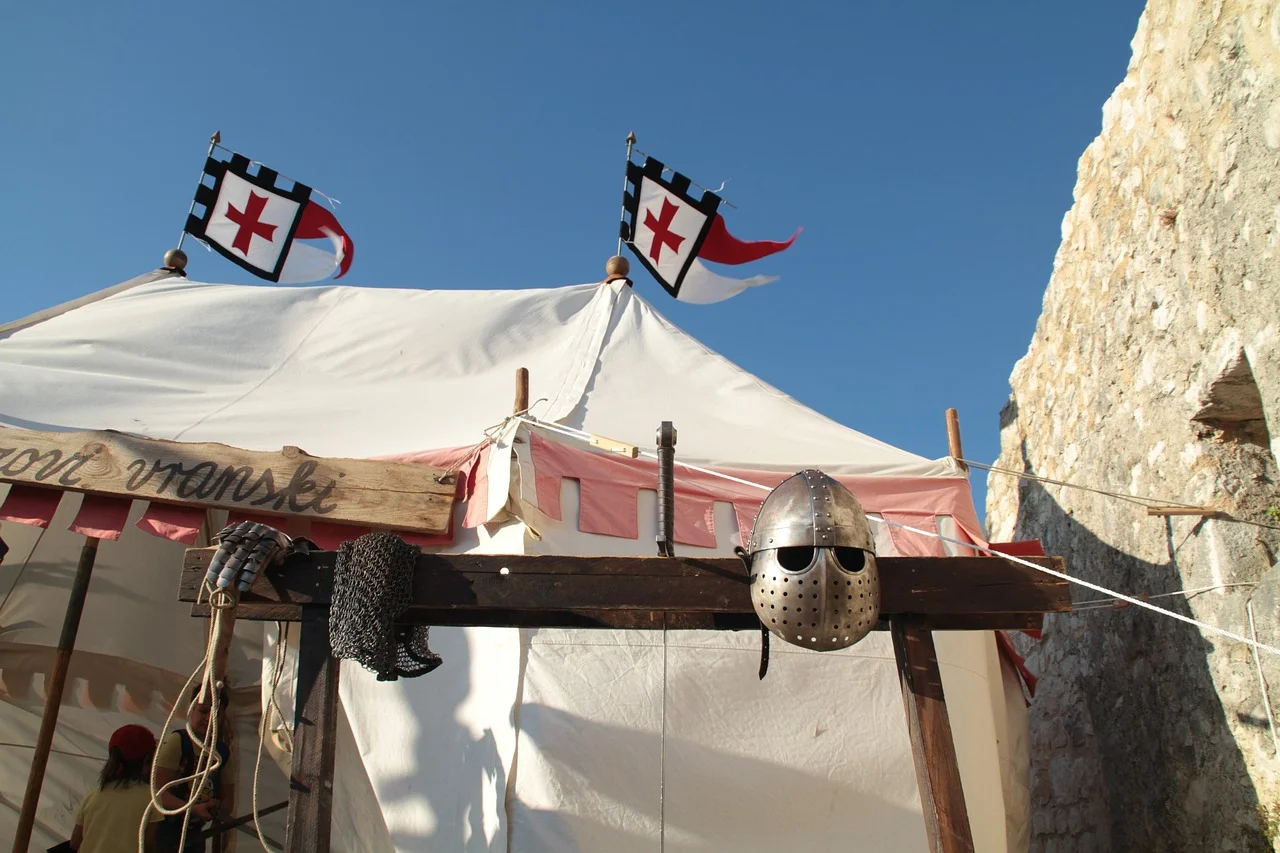
In medieval Europe, fairs were more than temporary marketplaces. They were vibrant gatherings that brought together merchants, artisans, entertainers, pilgrims, and townspeople, turning otherwise ordinary settlements into hubs of trade and interaction.
While their economic function was undeniable, medieval fairs also became dynamic centers of cultural exchange and creativity. They connected distant regions, introduced new goods and ideas, and fostered environments where innovation thrived. Understanding why these fairs achieved such significance requires looking at their economic role, their social atmosphere, and their ability to bridge cultural divides.
The rise of fairs in medieval society
Fairs emerged in the Middle Ages as part of Europe’s growing commercial network. With feudal economies shifting away from subsistence agriculture, towns became increasingly important centers of trade. Lords and monarchs recognized the potential of fairs to generate revenue through taxes and tolls, and they granted charters that provided security for merchants. Some fairs, like those of Champagne in France, gained international renown, attracting traders from Italy, Spain, Flanders, and beyond. These events were carefully scheduled to create a cycle of commerce that tied regions together throughout the year.
Markets of diversity
At their core, fairs provided access to a wide range of goods. Local peasants might sell agricultural surplus, while foreign merchants offered spices, textiles, glassware, and precious metals. This diversity transformed fairs into spaces where people encountered items they had never seen before. The exchange of products also meant the exchange of knowledge: learning how spices were used, where silk was woven, or how glass was crafted. The sheer variety fostered curiosity and encouraged adaptation of new techniques, blending local traditions with imported influences.
Crossroads of cultures
Because fairs drew participants from distant lands, they became points of contact between cultures that rarely met otherwise. A merchant from Venice might trade with an English wool seller, while a Moorish trader introduced goods from North Africa. These interactions went beyond commerce. They exposed people to different languages, dress styles, and customs. Over time, these encounters enriched local cultures, spreading new artistic motifs, culinary practices, and even technologies. Fairs functioned as informal classrooms where ordinary people learned about the wider world.
The role of performance and entertainment
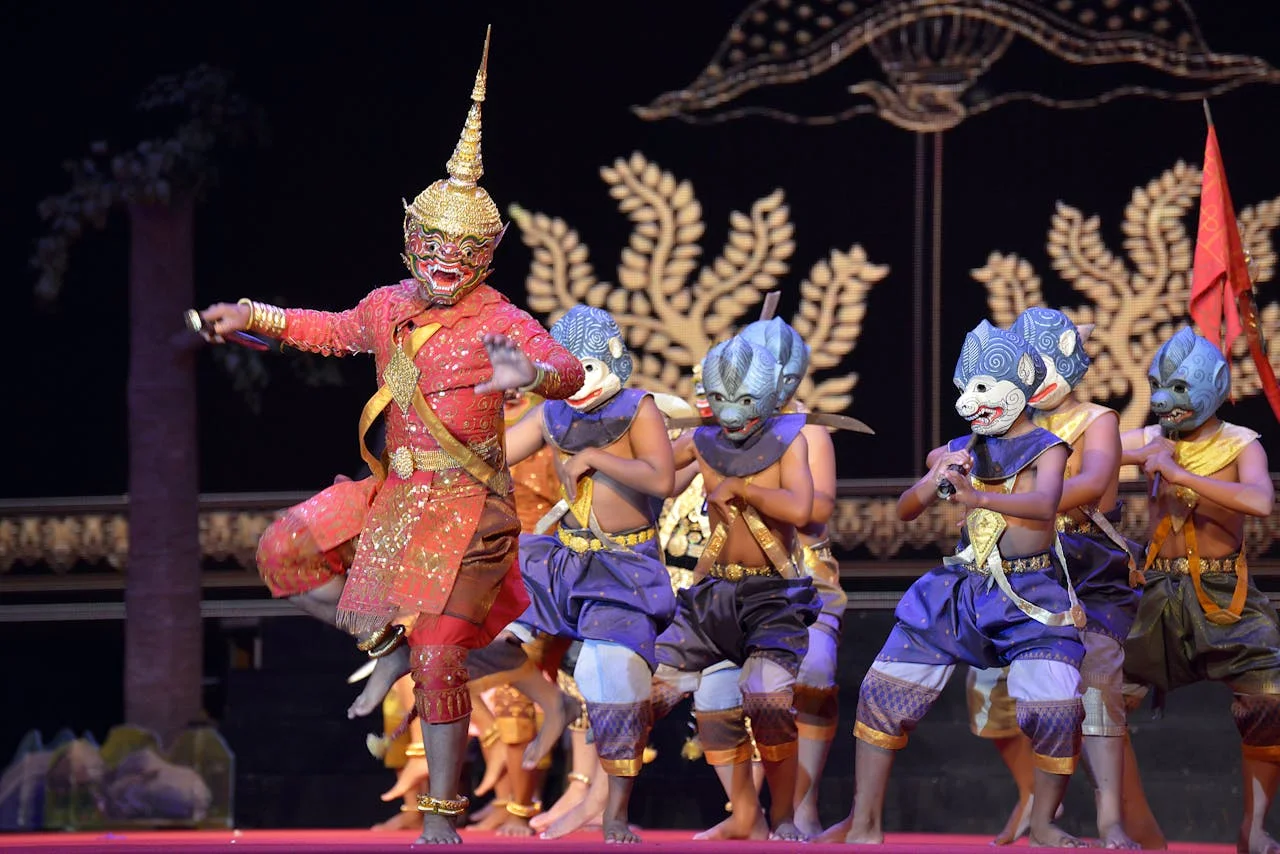
Fairs were not limited to buying and selling; they were also major stages for entertainment. Jugglers, acrobats, musicians, and actors gathered to perform for crowds eager for diversion. Traveling troupes often tested new plays or songs at fairs, introducing audiences to stories from distant regions. These performances allowed cultural traditions to intermingle and evolve. Popular tales shared at fairs might later become part of broader European folklore, blending local narratives with foreign influences. In this way, creativity was nurtured through constant exposure to new forms of expression.
Artisans and innovation
For artisans, fairs were opportunities to showcase their skills and learn from others. Blacksmiths, weavers, potters, and carpenters often encountered techniques from other regions, inspiring experimentation and adaptation. Decorative motifs or methods of craftsmanship spread along trade routes that converged at fairs. The exposure to competition also pushed artisans to improve the quality and uniqueness of their work. Over time, this circulation of skills contributed to the broader development of medieval art and technology, laying the groundwork for the innovations of the Renaissance.
Religious and festive dimensions
Many medieval fairs were tied to religious festivals, often held on the feast days of local saints. This connection added spiritual and communal significance. Pilgrims attending festivals brought stories, relics, and practices from other regions, enriching the cultural life of the fair. Religious plays, processions, and ceremonies were often staged alongside the commercial activities, blending sacred and secular life. The festive atmosphere encouraged creativity, as communities decorated spaces, created pageantry, and blended artistic expression with devotion.
Spaces of knowledge exchange
Beyond material goods, fairs also served as places where knowledge circulated. Merchants exchanged information about distant markets, travelers shared news of political events, and physicians encountered new remedies or techniques. Even farmers benefited, learning about new tools or agricultural methods. In this way, fairs functioned as nodes in a network of information that spread innovations across Europe. The gradual diffusion of ideas through these encounters played a role in shaping the intellectual climate of the late Middle Ages.
Urban growth and cultural vitality
As fairs became more important, towns that hosted them grew in prominence. Cities like Frankfurt, Bruges, and Lyon developed reputations as cultural crossroads largely because of their fairs. The influx of visitors stimulated local economies but also enriched cultural life. Inns, taverns, and guildhalls became meeting points where ideas flowed freely. Over time, these urban centers became melting pots of tradition and creativity, fueled by the recurring rhythms of the fairs.
Influence on language and communication
The mixing of people from different regions also influenced language. Merchants needed to find ways to communicate despite speaking different tongues, which encouraged the development of trade jargon, simplified dialects, and even the adoption of loanwords. These linguistic exchanges shaped medieval vernacular languages and expanded cultural horizons. The necessity of communication pushed people to be inventive, and this creativity extended beyond language into social and artistic practices.
Fairs as incubators of creativity
The atmosphere of fairs encouraged experimentation not only in commerce but also in art, music, and storytelling. With diverse audiences gathered in one place, performers and artisans had the chance to test new ideas before a wide public. Successful innovations spread quickly along trade networks, carried by merchants and travelers to new regions. The dynamic environment of fairs created fertile ground for cultural creativity, as ideas could be shared, refined, and expanded in ways that were not possible in isolated villages.
Medieval fairs as windows to the wider world
Medieval fairs became centers of cultural exchange and creativity because they united commerce, performance, and community in a single vibrant event. They provided access to new goods, introduced people to foreign traditions, and gave artisans and performers a platform to experiment and adapt.
More than temporary markets, fairs were windows through which medieval people glimpsed the wider world and absorbed its influences. By fostering the circulation of goods, ideas, and artistic expression, these gatherings helped shape the cultural fabric of Europe and prepared the ground for the transformative changes that followed in later centuries.