Long before modern schools, books, or digital technology reached many rural areas of Asia, traditional forms of storytelling provided education, entertainment, and moral guidance. Among these, puppetry stood out as one of the most effective tools for teaching children.
Whether through shadow plays in Southeast Asia, glove puppets in China, or string puppetry in India, these performances captured young imaginations while transmitting knowledge about culture, values, and history. Puppetry was more than amusement; it was an interactive, memorable way of passing down lessons to the next generation.
Puppetry as an accessible form of teaching
In many rural communities, literacy rates were historically low, and access to formal education limited. Puppetry overcame these barriers by relying on visual storytelling and spoken language. Children could learn through observation and repetition without the need to read or write. Brightly painted figures, lively gestures, and dramatic voices ensured that ideas reached young audiences clearly. Puppetry provided an inclusive form of education, where children from all social and economic backgrounds could participate in cultural learning.
Moral and ethical instruction
One of puppetry’s most important roles was to teach children moral values. Stories often revolved around themes of honesty, bravery, kindness, and respect for elders. Puppet characters acted as exaggerated figures—heroes who embodied virtues and villains who displayed flaws. By watching conflicts unfold on stage, children absorbed ethical lessons in a way that was engaging and memorable. For instance, in India’s Kathputli tradition, tales of loyalty and betrayal helped children understand consequences, while in Indonesian Wayang Kulit, shadow puppets illustrated the triumph of righteousness over greed or deception.
Transmission of cultural heritage
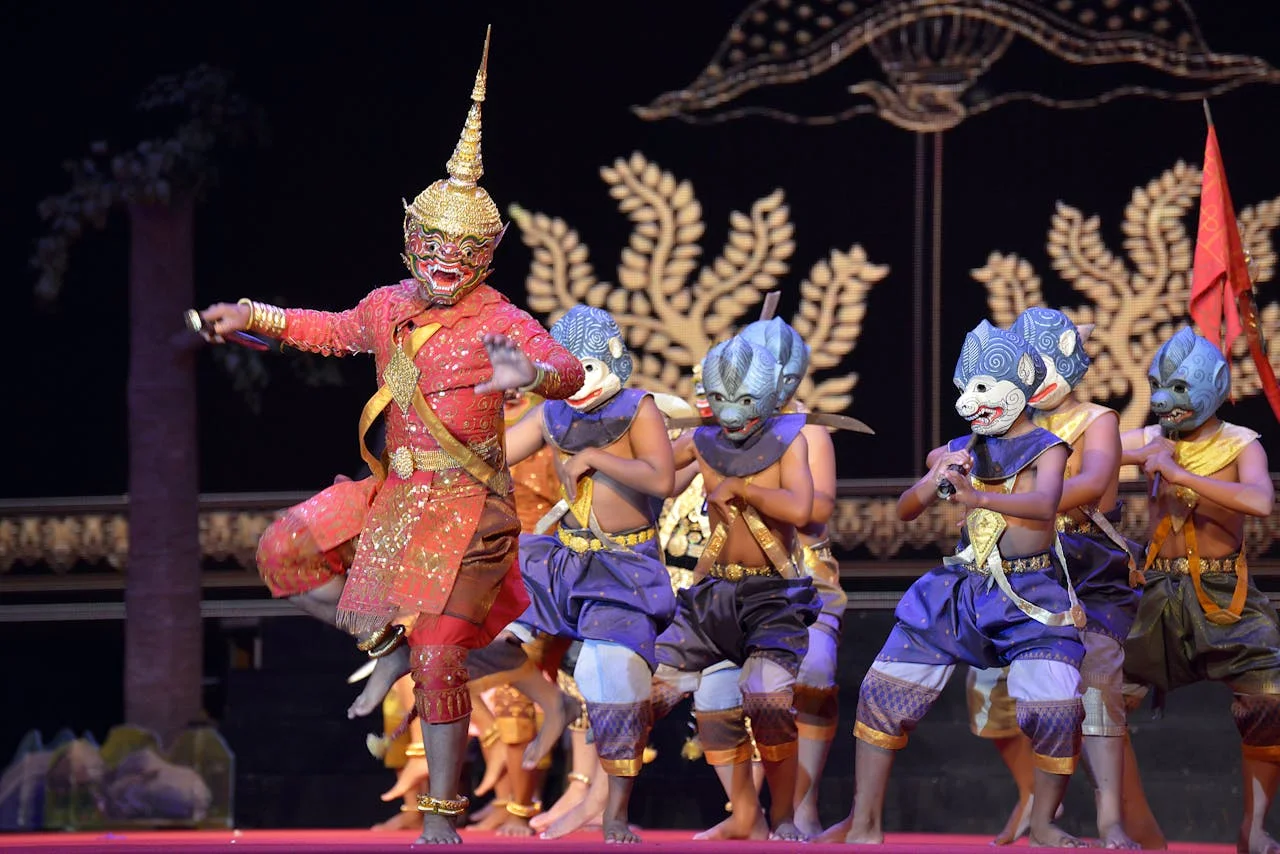
Puppetry also preserved cultural memory by introducing children to myths, legends, and historical figures. Performances often drew from epic texts such as the Ramayana and Mahabharata in South Asia or local folklore in China and Japan. Children in rural areas, who might never see a written manuscript, could still learn about gods, heroes, and ancestral traditions through puppets. This process ensured that oral traditions remained alive, linking younger generations with their cultural roots and reinforcing a shared sense of identity.
Educational storytelling through entertainment
Children are naturally drawn to play and imagination, and puppetry capitalized on this by blending fun with learning. Performances combined music, colorful costumes, and humor to keep audiences engaged. Puppet masters often inserted jokes or improvised scenes to capture children’s attention. This blend of entertainment and education meant that children not only absorbed information but also developed curiosity and creativity. For many, puppetry served as their first introduction to theater, performance, and narrative structure.
Language learning and communication
Puppetry also played a role in language development. By listening to dialogues, songs, and chants performed during puppet shows, children learned vocabulary, pronunciation, and even poetic expressions. In multilingual regions of Asia, puppetry sometimes blended local dialects with more formal or classical languages, exposing children to multiple linguistic registers. This exposure enriched communication skills and fostered an appreciation for oral art forms. In rural communities, where formal schooling might not provide extensive language instruction, puppetry filled an essential educational gap.
Religious and spiritual education
In many parts of Asia, puppetry had strong religious roots. Performances were often held in temples or during festivals, serving both ritual and pedagogical functions. Children learned stories of gods, moral lessons rooted in religious philosophy, and the importance of rituals through puppet plays. For example, Wayang Kulit shadow plays in Indonesia and Malaysia often conveyed Hindu and later Islamic teachings, blending spiritual instruction with theatrical spectacle. By engaging children emotionally and visually, puppetry reinforced religious identity and devotion.
Social lessons and community values
Puppetry also served to teach practical lessons about community life. Stories sometimes highlighted the importance of cooperation, agricultural practices, or local customs. Through allegorical tales, children could learn about working together during harvests, respecting natural resources, or resolving conflicts peacefully. Puppet shows also provided indirect commentary on social issues, helping children recognize injustice or harmful behaviors. These lessons helped children grow into socially responsible members of their communities.
Interactive learning through participation
Unlike passive forms of instruction, puppetry often encouraged participation. Children sometimes helped move simple puppets, sang along with songs, or answered questions posed by performers. This interactive quality made the lessons more memorable. By engaging multiple senses—sight, sound, and movement—puppetry deepened the learning experience. For rural children without access to formal classrooms, this participatory approach provided an early form of experiential education, blending learning with active involvement.
Adaptability across regions
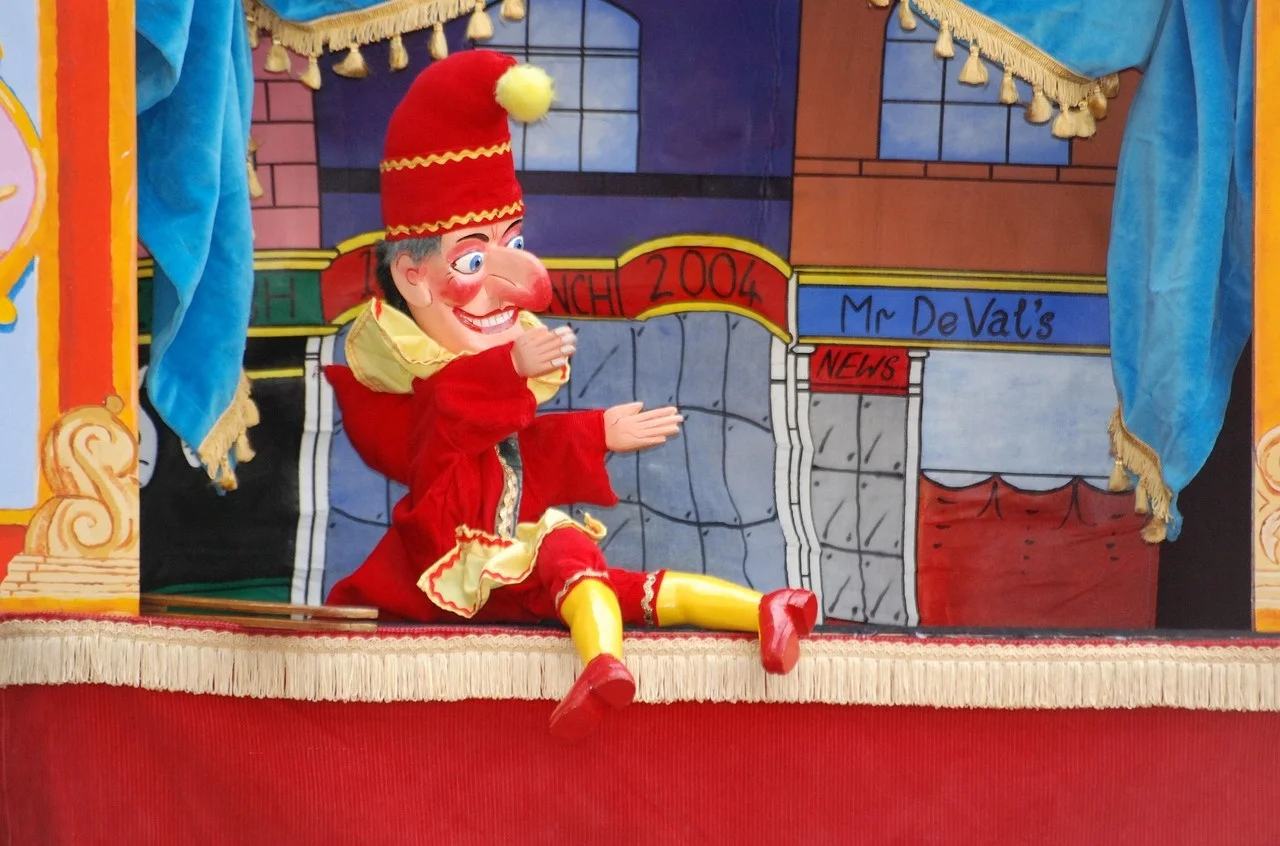
The role of puppetry in children’s education varied across Asia but shared common themes. In India, string puppets known as Kathputli conveyed moral fables. In China, glove puppets taught local folklore and Confucian values. In Indonesia, Wayang Kulit shadow plays introduced children to mythological and ethical lessons, while in Japan, Bunraku performances combined dramatic storytelling with cultural education. Despite regional variations in style, puppetry’s underlying purpose remained the same: to educate through narrative and performance.
Puppetry as preparation for life skills
Beyond moral and cultural lessons, puppetry taught children practical skills. They observed storytelling techniques, rhythm, and performance, all of which could enhance memory and communication. Some children even learned to create simple puppets, sparking creativity and craftsmanship. These skills translated into broader abilities, from problem-solving to cooperation, that would serve them in adulthood. Puppetry was not just about absorbing lessons but also about preparing children for active roles in their communities.
The lasting legacy of puppetry in rural education
Even as formal education systems expanded, puppetry maintained its influence. Many schools and cultural organizations in Asia continue to use puppet theater as an educational tool, recognizing its ability to reach children in ways that textbooks cannot. Puppetry’s enduring legacy lies in its ability to transform learning into an engaging, imaginative journey. It bridged the gap between entertainment and instruction, ensuring that children in rural communities could learn not only facts and stories but also values and life lessons. In this way, puppetry remained a powerful medium for shaping young minds while keeping cultural traditions alive.