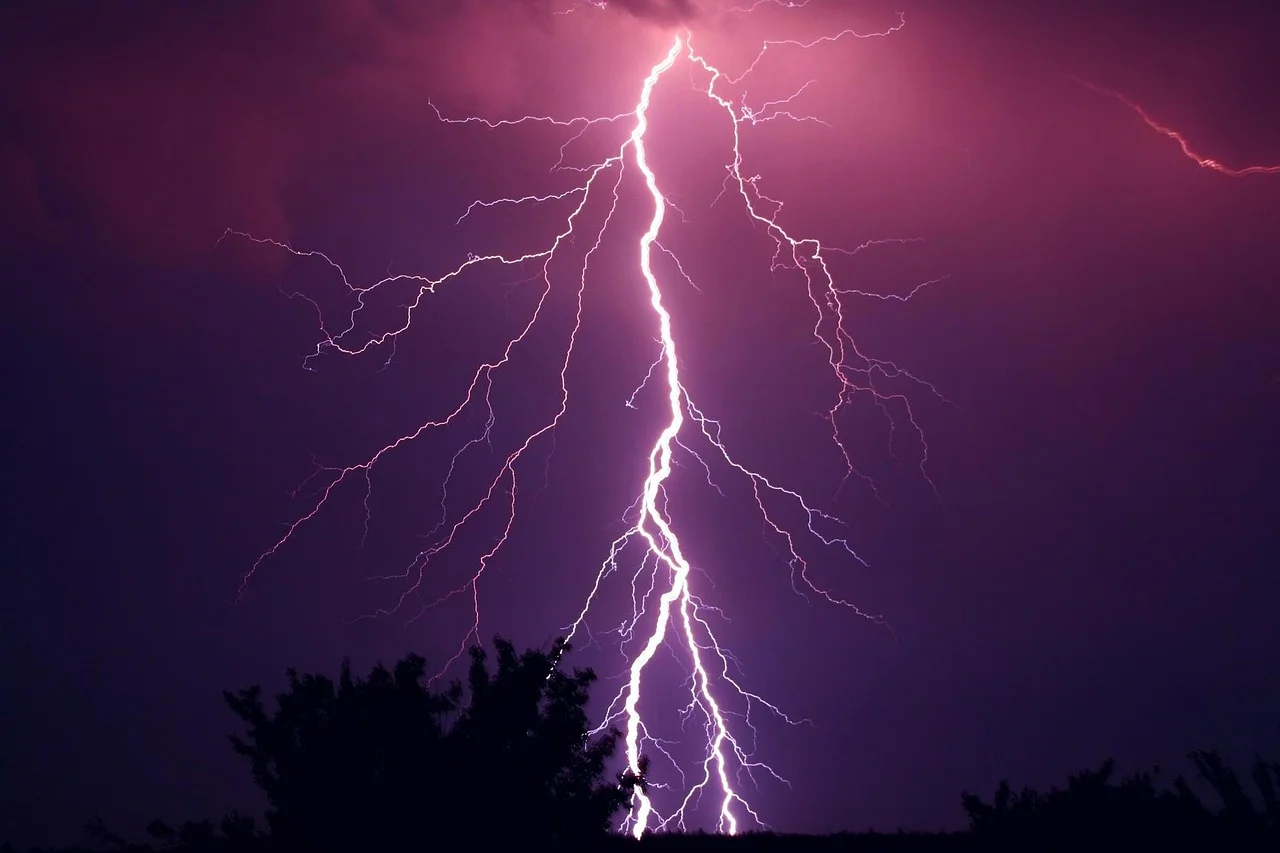
Among the pantheons of Indo-European cultures, thunder gods hold a special place. From Zeus in Greek mythology to Thor in Norse tradition, Perun in Slavic lore, Indra in Vedic texts, and Jupiter in Roman belief, deities of thunder and storm are central figures.
Their prominence raises important questions: why did so many societies across vast geographic and cultural distances elevate thunder gods to positions of power?
The awe of natural power
Thunder and lightning are among the most dramatic natural forces experienced by humans. Long before scientific explanations of electricity and meteorology, ancient peoples confronted these phenomena as manifestations of immense power. The sudden crash of thunder or the blinding flash of lightning inspired awe and fear, demanding explanation through divine agency. By personifying thunder as a god, societies gave form to the unpredictable power of the skies, making it a force that could be revered, feared, and ritually appeased.
The connection to fertility and agriculture
For agrarian societies, storms were not only frightening but also life-giving. Rain nourished crops, and thunderclouds symbolized fertility and abundance. Thunder gods often doubled as deities of rain, ensuring the sustenance of communities. Indra, the Vedic storm god, was celebrated for releasing life-giving rains after slaying the serpent Vritra, who held back the waters. Similarly, Slavic traditions viewed Perun as a bringer of rain essential for harvests. By linking thunder to agricultural prosperity, these gods became vital guardians of survival.
Warrior archetypes and protection
Many thunder gods were depicted as warrior figures, armed with hammers, axes, or thunderbolts. Thor wielded Mjölnir, Zeus cast thunderbolts, and Perun carried an axe that struck like lightning. These weapons symbolized both divine might and the human warrior’s role in protecting society. In cultures where defense against enemies was constant, thunder gods embodied the ideal protector. Their storms mirrored the chaos of battle, while their weapons represented decisive force. By elevating thunder gods, Indo-European societies projected their martial values onto divine figures.
The symbolism of sky and authority
Thunder gods often occupied the highest rank in the divine hierarchy, closely associated with the sky. The vast, all-encompassing heavens naturally lent themselves to associations with rulership and authority. Zeus, whose name is linked to the Indo-European root dyeus (“sky” or “daylight”), was not only the god of thunder but also the king of the Olympian gods. Similarly, Jupiter, derived from the same linguistic root, reigned as the supreme deity of Rome. The prominence of thunder gods thus reflected the human tendency to associate cosmic order with political power.
Mythic battles against chaos
Thunder gods frequently appear as champions who battle chaotic monsters, often serpentine beings representing disorder or drought. Indra’s defeat of Vritra, Thor’s struggles against Jörmungandr the world serpent, and Zeus’ victory over Typhon are variations of the same mythological pattern. These stories dramatized the triumph of order over chaos, reflecting both natural cycles and social ideals. By defeating forces of destruction, thunder gods reinforced the idea that the cosmos—and by extension, human society—depended on their continuing power.
Shared Indo-European roots
The prominence of thunder gods across Indo-European mythologies suggests common origins in Proto-Indo-European religion. Linguistic and thematic parallels point to an ancestral storm deity, later adapted by individual cultures. The recurrence of motifs—such as the storm god armed with a striking weapon, his battles against serpents or dragons, and his control over rain—indicates a shared mythic template. Over time, this archetype evolved in distinct cultural directions, but its core features remained consistent, testifying to the deep-rooted significance of thunder in early Indo-European belief.
Psychological resonance of storms
On a psychological level, storms embody both fear and reassurance. Their destructive potential makes them symbols of danger, but their ability to bring rain and renewal ties them to hope and life. Thunder gods personify this duality, serving as figures who can punish or bless depending on human behavior. This ambivalence mirrored human experiences of authority—leaders and warriors who protected but also commanded obedience. By embodying the paradox of storms, thunder gods reflected the complexities of power and survival in human societies.
Rituals and community identity
Thunder gods also held a central place in communal rituals. Sacrifices, prayers, and festivals were dedicated to them, particularly during planting or harvest seasons. These rituals reinforced social cohesion, uniting communities around shared hopes for protection and abundance. For example, Vedic hymns to Indra celebrated his victories and appealed for rains, while Norse festivals honored Thor to ensure fertility and defense. By serving as focal points of worship, thunder gods anchored collective identity and gave meaning to natural cycles.
Contrasts with other deities
While other gods in Indo-European pantheons governed love, the underworld, or the arts, thunder gods consistently occupied dominant positions. This prominence set them apart, reflecting their broader cultural roles. Unlike deities associated with specific functions, thunder gods symbolized the intersection of multiple concerns—agriculture, warfare, authority, and cosmic order. Their universality made them indispensable in a way that narrower gods were not, ensuring their lasting centrality in myth and ritual.
Echoes in modern culture
The influence of thunder gods did not end with the decline of ancient religions. Their images and stories continue to resonate in modern culture, from the popularization of Thor in comic books and films to ongoing references to Zeus and Jupiter in literature and astronomy. Their enduring appeal underscores the timeless fascination with forces that are at once terrifying and life-giving. Even today, storms evoke emotions that connect us to the ancient awe that inspired the creation of thunder gods.
Thunder gods as symbols of order and survival
The prominence of thunder gods in Indo-European mythologies was no coincidence. They embodied the awe of natural forces, the dependence on rain for crops, the warrior’s protective strength, and the authority of rulers. Their myths dramatized the struggle between order and chaos, reflecting the core concerns of societies shaped by agriculture, conflict, and the need for cohesion.
By personifying storms, Indo-European cultures created deities who represented both the fragility and resilience of human life. These gods remind us that for ancient peoples, survival depended as much on interpreting the skies as on mastering the earth.