In recent years, the market for sleep-related technology has surged, with devices ranging from smart mattresses and wearable trackers to sound machines and light-regulating masks. Once considered niche products, sleep optimization gadgets are now at the center of consumer interest.
This sudden demand reflects a combination of modern lifestyle pressures, scientific awareness of sleep’s importance, and technological innovation.
The growing awareness of sleep science
For decades, sleep was undervalued compared to diet and exercise. However, research has increasingly shown that sleep is essential for cognitive performance, emotional stability, immune function, and long-term health. Studies linking poor sleep to conditions such as obesity, diabetes, and heart disease have shifted public perception. As this awareness spread through media, health campaigns, and workplace wellness programs, individuals began seeking practical ways to improve their nightly rest. Sleep optimization gadgets filled that demand by offering measurable solutions.
Modern lifestyles and rising sleep problems
Urbanization, digital technology, and fast-paced work environments have disrupted natural sleep patterns. Late-night screen use exposes people to blue light, suppressing melatonin production and delaying sleep onset. Stress from work and social pressures often leads to insomnia or restless nights. As more people report chronic sleep difficulties, interest in tools that promise to improve sleep quality has skyrocketed. Gadgets designed to track, guide, and optimize sleep routines directly respond to these lifestyle challenges.
The influence of the wellness industry
The wellness movement, which emphasizes holistic health, has played a major role in driving demand. Sleep is now marketed as a form of self-care, on par with meditation, nutrition, and fitness. Influencers, health coaches, and medical professionals increasingly recommend sleep gadgets as part of wellness routines. This cultural shift has reframed sleep from being merely passive rest into an active practice worth investing in, turning gadgets into status symbols of a health-conscious lifestyle.
Advances in wearable technology
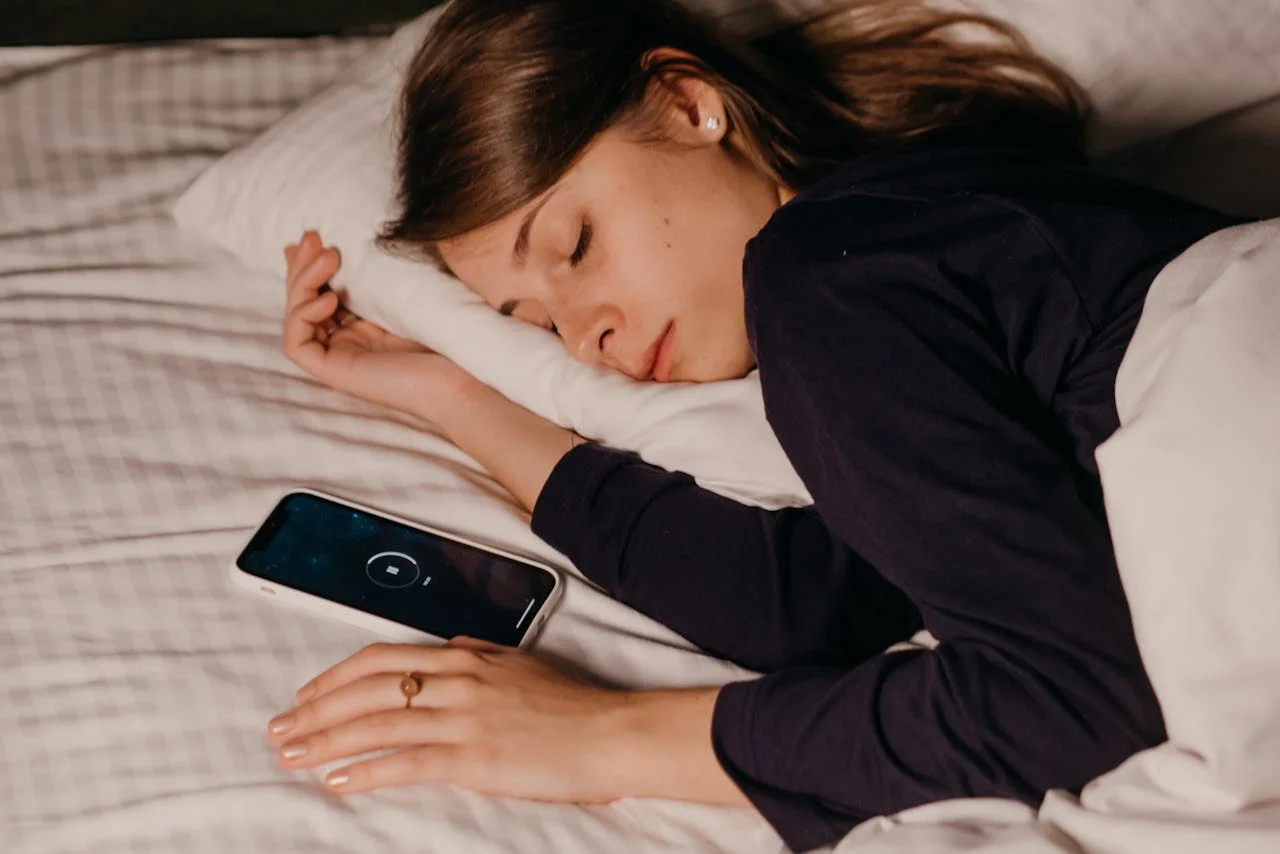
Wearable devices such as smartwatches and fitness bands have normalized personal health tracking. These devices now offer detailed sleep monitoring, including heart rate, breathing, and movement patterns throughout the night. Consumers accustomed to tracking steps or calories have extended this logic to sleep. Wearables provide easy-to-read data and personalized feedback, making sleep optimization feel accessible and actionable. Their popularity paved the way for specialized gadgets focused entirely on improving sleep quality.
Smart environments and connected devices
Another factor driving demand is the rise of smart homes. Sleep gadgets no longer function in isolation but connect with broader systems. Smart mattresses adjust firmness, room sensors control temperature and lighting, and apps synchronize data with health platforms. This integration appeals to consumers seeking seamless solutions tailored to their preferences. By embedding sleep into the larger ecosystem of connected devices, technology companies have made optimization more appealing and convenient.
Categories of sleep optimization gadgets
The diversity of available products reflects different consumer needs. Common categories include:
- Wearable trackers – Devices that monitor sleep cycles, movement, and vital signs, offering insights into sleep quality.
- Smart beds and mattresses – Adjustable systems that regulate temperature, firmness, and even detect snoring.
- Sound and light devices – White noise machines, sunrise alarm clocks, and light therapy lamps that regulate circadian rhythms.
- Breathing and relaxation aids – Gadgets that guide slow breathing, reduce anxiety, and promote faster sleep onset.
This variety ensures that consumers with different challenges—whether falling asleep, staying asleep, or waking up refreshed—can find tailored solutions.
The role of data and feedback
One of the strongest appeals of sleep gadgets is their ability to provide measurable feedback. Many people are motivated by quantifiable progress, and gadgets that show improvements in sleep duration or reduced nighttime disturbances encourage continued use. Data-driven insights transform sleep from a mysterious process into something that can be monitored, adjusted, and improved, reinforcing consumer trust in these products.
Remote work and flexible schedules
The shift toward remote work since the COVID-19 pandemic has also fueled interest. With flexible schedules, people became more aware of their natural sleep cycles and sought to optimize productivity around them. Employers, concerned about burnout and decreased focus, began promoting sleep health as part of workplace wellness programs. This increased both individual and institutional demand for sleep-enhancing technologies.
Medical interest and consumer overlap
Doctors and sleep clinics have long used specialized equipment to study sleep disorders. As consumer gadgets became more advanced, they began overlapping with medical devices. While not replacements for clinical tools, many gadgets now provide preliminary insights that encourage users to seek professional evaluation. This medical crossover has increased credibility and trust, further boosting demand. For rural areas or populations with limited healthcare access, affordable sleep gadgets offer valuable first steps in addressing sleep problems.
Marketing and cultural influence
Sleep optimization gadgets have also benefited from savvy marketing. Advertisements portray restful sleep as essential for success, beauty, and happiness. Social media amplifies these messages, with influencers sharing their nightly routines and showcasing the gadgets they use. This cultural visibility normalizes the idea that investing in sleep technology is part of a responsible lifestyle. As sleep becomes a public performance of wellness, demand continues to grow.
Concerns and limitations
Despite their popularity, sleep gadgets are not without criticism. Some experts warn that excessive reliance on devices may cause “orthosomnia”—a condition where anxiety about sleep quality actually disrupts rest. Questions remain about the accuracy of consumer-grade trackers compared to clinical equipment. Additionally, constant measurement may shift attention away from simple, low-tech solutions such as reducing screen time or maintaining consistent routines. Nonetheless, these concerns have not slowed demand, as consumers view gadgets as tools for self-improvement.
Sleep gadgets as reflections of modern priorities
The rise of sleep optimization gadgets highlights a cultural shift: people now treat rest as a resource to be managed like time, money, or energy. In an age of information overload, global competition, and constant stimulation, sleep has become both a personal refuge and a performance-enhancing strategy. Gadgets that promise deeper rest and better mornings fit perfectly into this mindset. Their popularity shows how technology, wellness culture, and modern stressors converge in the bedroom, making sleep a frontier of innovation and self-care.