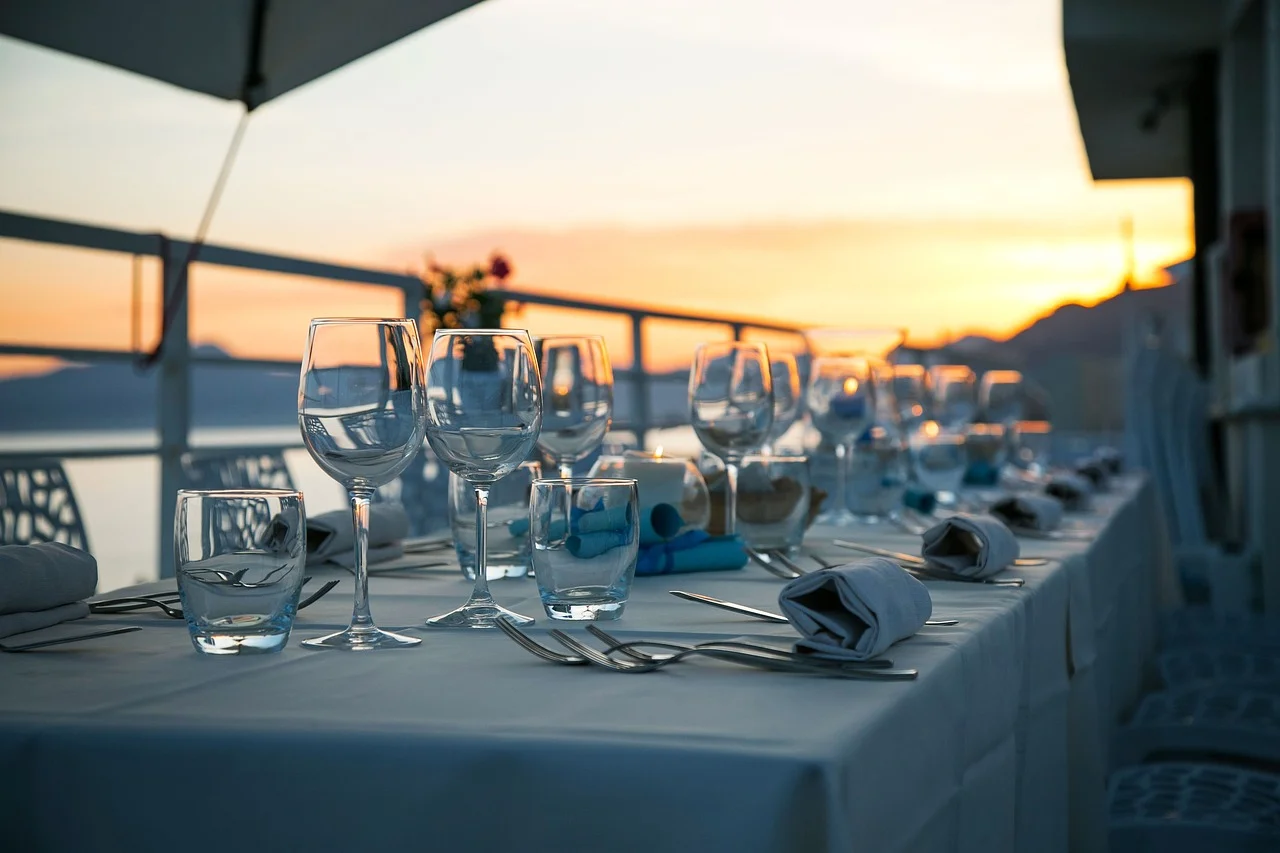
The restaurant industry has always been shaped by innovation, from the rise of food trucks to the global spread of fine dining. In recent years, one of the most dynamic developments has been the surge of pop-up restaurants. These temporary dining experiences, set up in unexpected locations for limited periods, are no longer just experimental ventures.
They have become a recognized and thriving segment of the culinary world, embraced by chefs, entrepreneurs, and diners alike. The question is: what explains the remarkable growth of this trend, and why has it captured so much attention in such a short time?
Defining the pop-up phenomenon
A pop-up restaurant is typically a short-term dining project, often staged in unconventional spaces such as warehouses, rooftops, art galleries, or even private homes. Unlike traditional restaurants, they operate for days, weeks, or months before closing or moving to a new location. Some pop-ups are standalone ventures, while others serve as test runs for chefs hoping to open permanent restaurants. What unites them is their temporary nature and focus on delivering unique, memorable dining experiences.
Lower barriers to entry for chefs
One of the main reasons for the popularity of pop-ups is their accessibility to aspiring chefs. Opening a traditional restaurant requires significant financial investment in property, staff, and infrastructure. For many, these costs are prohibitive. A pop-up, however, allows chefs to showcase their skills with far less capital. Renting a temporary venue, partnering with existing businesses, or even collaborating with breweries or cafés provides opportunities to experiment without long-term risk. This model has opened doors for a new generation of culinary talent to enter the industry.
Flexibility and creative freedom
Pop-ups are not bound by the expectations of permanent restaurants. Chefs can design menus that are experimental, niche, or seasonally focused without worrying about long-term viability. They might highlight obscure regional cuisines, vegan fine dining, or unusual ingredient pairings that would be considered too risky in a traditional setting. The short-term format encourages innovation and reinvention, giving chefs freedom to push culinary boundaries. This spirit of creativity is a major factor in attracting both chefs and diners to the pop-up model.
Consumer appetite for novelty
Modern diners increasingly value experiences over routine. They are drawn to the idea of eating at a restaurant that exists only temporarily, where the exclusivity and unpredictability make the event feel special. The fear of missing out (often referred to as FOMO) drives demand, as diners rush to secure reservations before a pop-up disappears. This demand is fueled by social media, where photos of limited-time menus and unique venues create buzz and amplify the sense of urgency. Pop-ups thrive on this cultural shift toward experiential dining.
Social media and storytelling
The growth of pop-ups is closely tied to the digital age. Platforms like Instagram, TikTok, and Facebook amplify their reach, allowing chefs to promote events directly to engaged audiences. The visual appeal of unusual dishes and striking settings lends itself perfectly to digital storytelling. Diners share their experiences online, turning each visit into free advertising. This viral potential makes pop-ups particularly attractive to both established chefs and newcomers, as visibility can grow rapidly with minimal marketing costs.
Partnerships and collaborations
Pop-up restaurants often rely on collaborations, whether between chefs, local businesses, or cultural institutions. A brewery might host a pop-up dinner to pair craft beers with curated dishes, or an art gallery could provide a backdrop for a themed culinary event. These partnerships create mutually beneficial relationships: businesses gain new audiences, while chefs gain access to venues and communities. Collaborations also foster cross-pollination of ideas, enriching both the culinary and cultural experience.
Adapting to changing markets
The COVID-19 pandemic accelerated the rise of pop-ups. As traditional restaurants struggled with restrictions and declining foot traffic, pop-ups offered flexible alternatives. Chefs organized outdoor events, limited-time takeovers, and mobile kitchens that adapted quickly to changing regulations. These ventures not only kept businesses afloat but also introduced diners to new formats of safe and exciting dining. Even as restrictions eased, the momentum of pop-ups continued, showing their resilience and adaptability in uncertain markets.
Global reach and local authenticity
While the pop-up trend is global, it often emphasizes local authenticity. Chefs use pop-ups to highlight regional produce, cultural traditions, or community stories. For example, a pop-up might explore indigenous ingredients or reinterpret traditional dishes in contemporary ways. By grounding the experience in local identity while also appealing to adventurous diners, pop-ups bridge global food trends with cultural authenticity. This dual appeal resonates with audiences who want both novelty and meaningful connection.
A testing ground for future ventures
For many chefs, pop-ups serve as stepping stones toward permanent establishments. Running a temporary restaurant allows them to test recipes, gauge customer responses, and refine business models. Success can attract investors or build loyal followings that later support the launch of full-scale restaurants. Some renowned dining spots today began as humble pop-ups, proving the model’s value as a pathway to long-term success. At the same time, some chefs intentionally stick with the pop-up format, valuing its mobility and creative freedom.
Cultural events as part of the experience
Pop-ups often go beyond food, incorporating music, art, or performance to create multisensory events. Dining becomes part of a broader cultural experience, where the atmosphere is as important as the menu. This integration of art and cuisine transforms a meal into an event worth remembering. Such immersive experiences differentiate pop-ups from traditional dining, adding another layer of appeal that keeps them at the forefront of culinary trends.
Pop-ups as symbols of culinary innovation
The rise of pop-up restaurants reflects deeper cultural and economic shifts in the dining world. They respond to consumer demand for novelty, provide opportunities for chefs to experiment, and thrive in a digital landscape where storytelling is key. Their success lies not only in their food but also in the experiences they create, the communities they engage, and the creativity they unleash. In this way, pop-ups are more than temporary ventures; they are symbols of how the culinary world adapts, experiments, and continues to reinvent itself.