Embroidery has long been more than decoration. In rural societies across Europe, Asia, Africa, and the Americas, women used needle and thread to pass down knowledge, memories, and experiences. The patterns stitched onto household linens, clothing, and ritual garments carried meanings that went beyond aesthetics.
They preserved personal stories, encoded cultural values, and connected generations in ways that oral or written traditions could not always achieve. Traditional embroidery, therefore, served as a powerful medium through which women expressed identity, resilience, and collective memory.
Embroidery as an accessible form of storytelling
In many rural communities, literacy was limited, and women often had fewer opportunities to record their experiences in written form. Embroidery provided an accessible alternative. By learning stitches from mothers, grandmothers, and neighbors, women gained a language of patterns and motifs. This language allowed them to narrate aspects of their lives—marriage, motherhood, faith, or hardship—through visual symbols. What could not be written in diaries or letters was instead sewn into cloth, creating enduring records of lived experience.
Symbolism woven into daily life
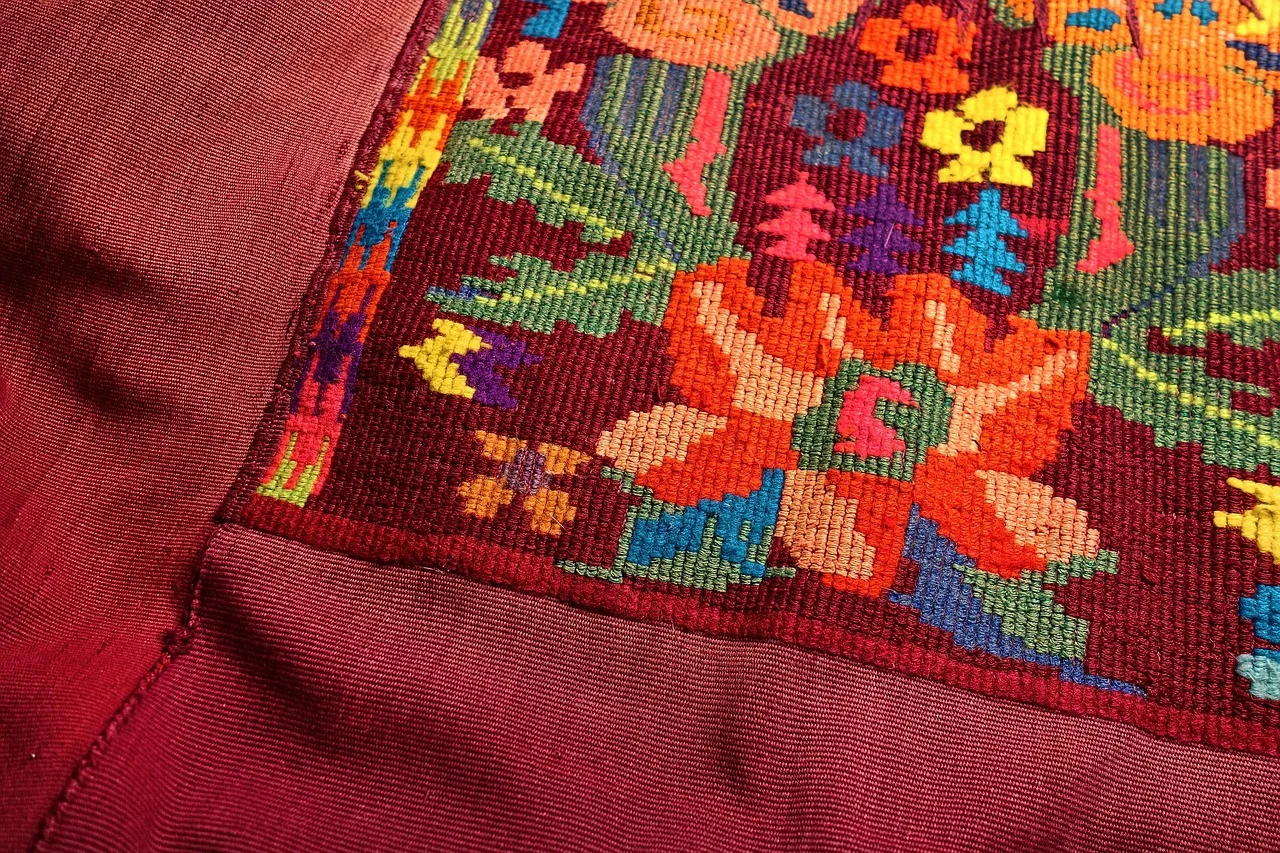
Traditional embroidery was rich with symbolic motifs. Geometric patterns, floral designs, animals, and abstract shapes often carried meanings that varied by region and community. For example, stars or suns might symbolize fertility and continuity, while birds could represent freedom, family ties, or longing. Women stitched these symbols onto garments for weddings, births, or funerals, ensuring that their hopes, struggles, and memories became part of daily life. Each stitch was a deliberate act of storytelling, transforming cloth into a canvas of cultural knowledge.
Clothing as a living archive
In rural societies, clothing often functioned as an archive of women’s lives. Bridal dresses, shawls, or aprons were adorned with embroidery that reflected family heritage and personal identity. These garments were carefully preserved and passed down, carrying stories across generations. A daughter might wear her mother’s embroidered dress, not only inheriting a piece of fabric but also the history embedded within its patterns. This practice created continuity between past and present, ensuring that women’s experiences were never entirely lost.
Regional variations as markers of identity
Embroidery also served as a marker of regional and communal identity. Villages or entire regions developed characteristic styles—distinct color schemes, stitch types, or motifs—that became recognizable cultural signatures. Women contributed to these traditions while also adapting them to personal circumstances. This balance of collective style and individual creativity allowed embroidery to preserve both community heritage and unique life stories. By wearing embroidered garments, women announced not only where they came from but also who they were within that cultural landscape.
Ritual embroidery and life cycles
Many rural societies associated embroidery with key stages of life. In Eastern Europe, young women prepared embroidered dowries—linens, shirts, and towels—before marriage. These items displayed their skill but also conveyed their dreams and anxieties about the future. Similarly, in parts of Central Asia and North Africa, embroidered garments played roles in childbirth rituals or funerary traditions. Through such practices, embroidery recorded life cycles in symbolic form, ensuring that women’s milestones were remembered within the fabric of community life.
A silent form of resistance
Embroidery could also serve as a subtle form of resistance. In societies where women had limited social or political influence, they used stitching to assert presence and voice. Patterns could encode dissent, longing, or sorrow in ways that were not overtly confrontational but nonetheless meaningful. During times of hardship—war, displacement, or oppression—women turned to embroidery as a way to preserve memory and identity. In this sense, each embroidered cloth became a quiet but enduring testimony to resilience.
Transmission of skills and values
The act of learning embroidery was itself a form of storytelling. Girls often sat beside mothers or grandmothers, not only mastering stitches but also listening to stories about family history, community events, or cultural legends. As hands repeated patterns, ears absorbed narratives. The embroidery process thus reinforced intergenerational bonds, weaving together technical skill and oral tradition. This dual transmission preserved not only stories embedded in the patterns but also the broader context in which those patterns were created.
Embroidery as economic expression
In many rural societies, embroidery was tied to economic life. Women sold or traded embroidered textiles at local markets, using their artistry to support households. Patterns could reflect economic conditions—flourishing designs during prosperous times or simpler motifs in periods of scarcity. Even in these contexts, embroidery remained a vehicle for storytelling, as the choice of colors, stitches, and symbols often mirrored the realities of women’s labor and survival. By monetizing their craft, women also claimed agency within household economies, ensuring their stories were preserved not only in fabric but also in community exchange.
Connections to nature and environment
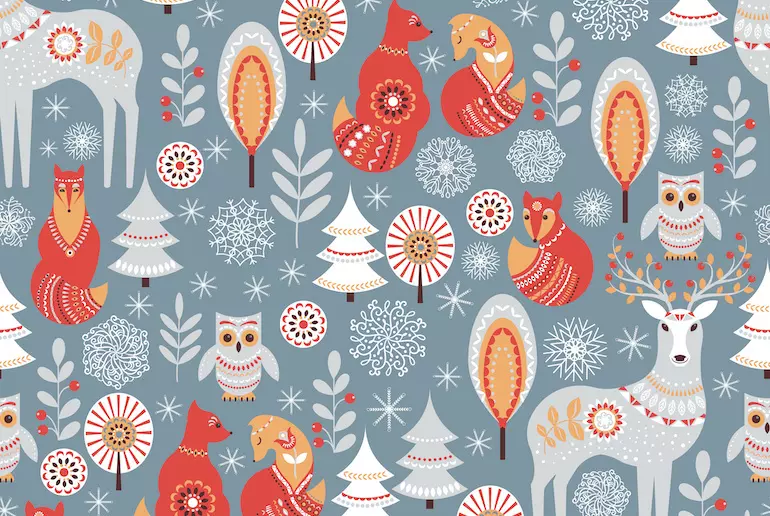
The motifs women chose were often drawn from the landscapes they inhabited. Rural embroidery frequently included plants, animals, or natural forms specific to a region. In this way, embroidery preserved ecological knowledge alongside personal and cultural stories. For instance, flowers stitched into patterns were not only decorative but also reminders of seasonal cycles, agricultural practices, or local healing traditions. By embedding nature into their textiles, women documented their intimate relationship with the environment that sustained their lives.
The endurance of embroidered stories
Even as rural societies changed with industrialization and urbanization, embroidered textiles continued to preserve women’s stories. Some items became heirlooms stored in trunks, while others entered museums or folk collections. Scholars studying these objects can still interpret the stories encoded in motifs, colors, and techniques, shedding light on the lives of women who left few written records. In this way, embroidery serves as a bridge between past and present, keeping alive voices that might otherwise have been silenced.
Threads of memory across generations
Traditional embroidery patterns preserved women’s stories in rural societies by transforming fabric into a medium of memory. Through symbols, motifs, and stitches, women recorded their joys, struggles, and identities, ensuring that their experiences were remembered even in the absence of written words. These patterns carried personal and communal histories, linking generations through shared practice and heritage. The endurance of embroidered textiles shows that stories need not always be told aloud or written down; sometimes, they can be carried silently in threads that continue to speak across centuries.