Throughout human history, animals have been powerful symbols in mythology and folklore. Among these, owls and ravens often occupy a particularly dark and mysterious place. Across cultures, these birds were repeatedly linked with death, the afterlife, and supernatural forces.
Their nocturnal habits, distinctive calls, and association with battlefields and graveyards contributed to this reputation.
Nocturnal habits and the mystery of night
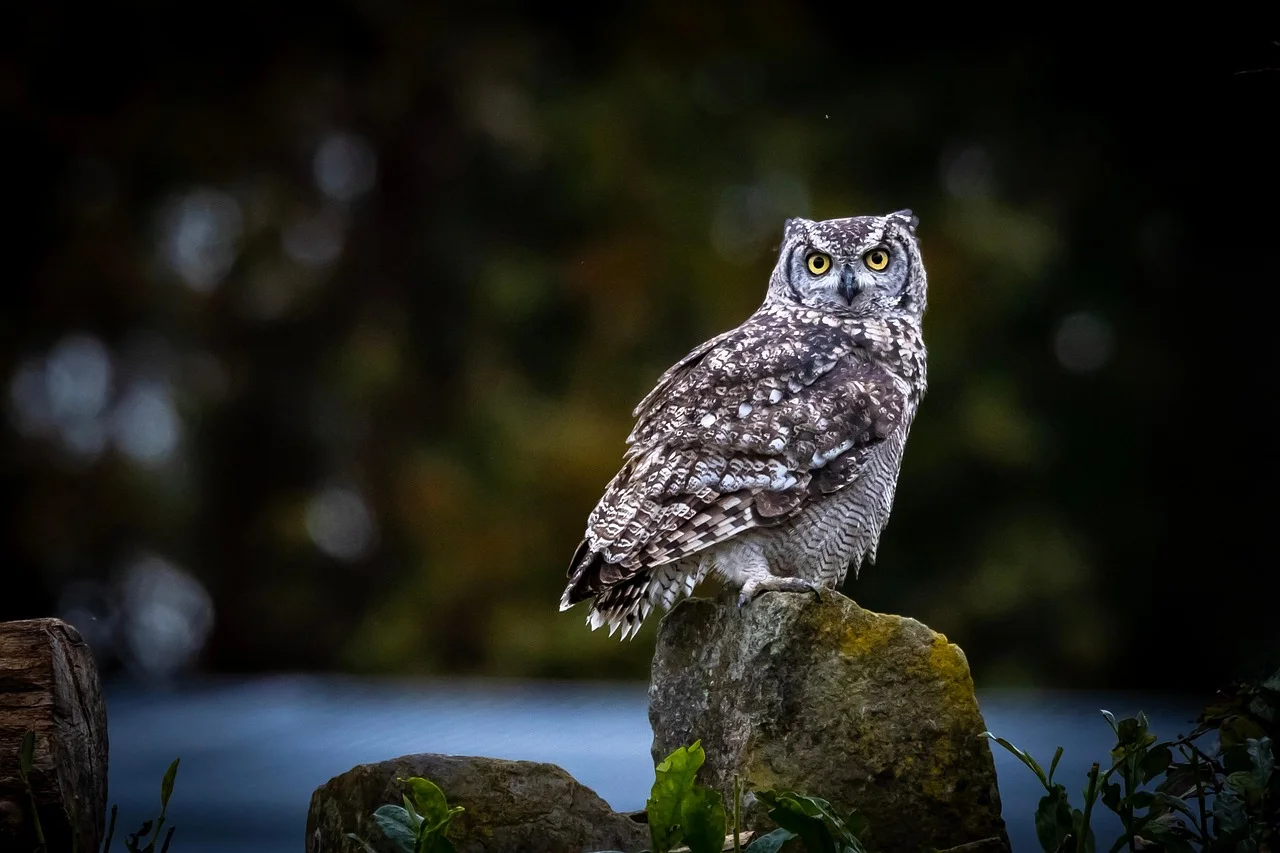
Both owls and ravens stand out for their connection to the hours when human activity slows and fear often heightens. Owls are nocturnal hunters, their haunting calls echoing through the darkness. In ancient times, such sounds were unsettling, especially when heard near villages or graveyards. Ravens, though not strictly nocturnal, were often seen at dawn or dusk, their black plumage blending with the shadows. The night, associated with danger and uncertainty, naturally cast these birds as emissaries of the unknown, linking them to the world of spirits and death.
Physical traits and eerie presence
Owls have large, forward-facing eyes that reflect torchlight with an eerie glow, making them appear ghostly to early observers. Their silent flight only heightened their sense of otherworldliness. Ravens, with their jet-black feathers and harsh croaks, seemed equally unearthly. Their ability to mimic human speech in some cases blurred the line between natural and supernatural. These physical traits inspired awe but also fear, fostering myths that cast owls and ravens as intermediaries between the living and the dead.
Owls in Greek and Roman traditions
In classical antiquity, owls carried ambivalent symbolism. In Athens, the owl was sacred to Athena, representing wisdom and vigilance. Yet even within this context, it retained its ominous undertones. Roman writers described owls as omens of death, claiming their cries foretold disasters or the deaths of prominent leaders. When an owl was spotted within the city, it was considered a bad sign, often requiring purification rituals. The dual nature of the owl—as both wise and fatal—reflected its mysterious status within Mediterranean culture.
Ravens in Norse mythology
In Norse tradition, ravens were closely tied to Odin, the chief god associated with wisdom, war, and death. His two ravens, Huginn and Muninn (thought and memory), flew across the world each day to bring him knowledge. While they represented intelligence and foresight, their connection to the god of war also tied them to battlefields and death. Ravens feeding on corpses after combat reinforced their grim reputation, turning them into enduring symbols of mortality and the transition between life and the afterlife.
Celtic and Druidic associations
Among Celtic peoples, both ravens and owls were deeply connected to death and prophecy. The goddess Morrígan, associated with war and fate, often appeared in the form of a raven or crow, flying above battlefields to foretell doom. Owls, in Celtic folklore, were sometimes seen as guides to the underworld, carrying the souls of the dead. These associations cemented the role of both birds as harbingers of mortality within a culture that placed great emphasis on omens and the supernatural.
Owls in Indigenous American myths
Across Indigenous cultures in the Americas, owls frequently appeared as messengers of death. For some Plains tribes, hearing an owl’s hoot was considered a direct sign that death was near. In Navajo belief, owls symbolized ghosts and were connected to witchcraft. Yet in some cases, owls were also protectors, warning against dangers or guiding the deceased to the spirit world. This dual symbolism highlights how owls embodied both fear and respect, serving as powerful figures in spiritual narratives.
Ravens in Native American traditions
Ravens played a different but equally complex role in Native American myths. In many Northwest Coast cultures, the raven was a trickster and creator figure, responsible for bringing light to the world. However, even as a life-giver, the raven’s black feathers and scavenging behavior linked it to death. Its dual role as both bringer of life and reminder of mortality reflected the cyclical view of existence, where creation and destruction were intertwined.
Symbolism in medieval Europe
During the Middle Ages, Christian interpretations reinforced the connection between these birds and death. Owls were seen as symbols of darkness, ignorance, or the souls of the damned, often appearing in art as companions to witches or demons. Ravens, associated with battlefields, continued to symbolize death and decay. Yet both birds were also tied to wisdom and divine mysteries, appearing in religious texts and allegories as warnings of mortality and reminders of the soul’s journey after death.
The influence of scavenging behavior
A key reason ravens were so closely linked with death lies in their scavenging habits. After battles, ravens often appeared in large numbers to feed on corpses, making their presence synonymous with death. Owls, while not scavengers, were often found near graveyards or ruins, where their nocturnal calls heightened fear. These natural behaviors provided concrete experiences that people interpreted through myth, reinforcing their roles as symbols of mortality.
Psychological and cultural explanations
On a psychological level, humans have long sought to interpret patterns in nature as signs of greater truths. Birds that appeared at night, fed on the dead, or called out in eerie tones were natural candidates for symbolic association with mortality. Culturally, the universality of death required symbols that were both familiar and unsettling, and owls and ravens fit this need perfectly. Their recurring roles across civilizations suggest a shared human instinct to link the mysterious and the macabre with these striking birds.
Birds of omen and transition
Owls and ravens were not merely symbols of doom but also messengers of transition. They stood at the threshold between life and death, embodying the liminal space that fascinated and frightened human imagination. In myths, they guided souls, warned of fate, or accompanied gods associated with mortality. Their enduring presence across cultures reveals humanity’s need to personify death, not only as an end but as part of a larger cycle of existence. In this way, owls and ravens became not just birds of death, but birds of transformation.